

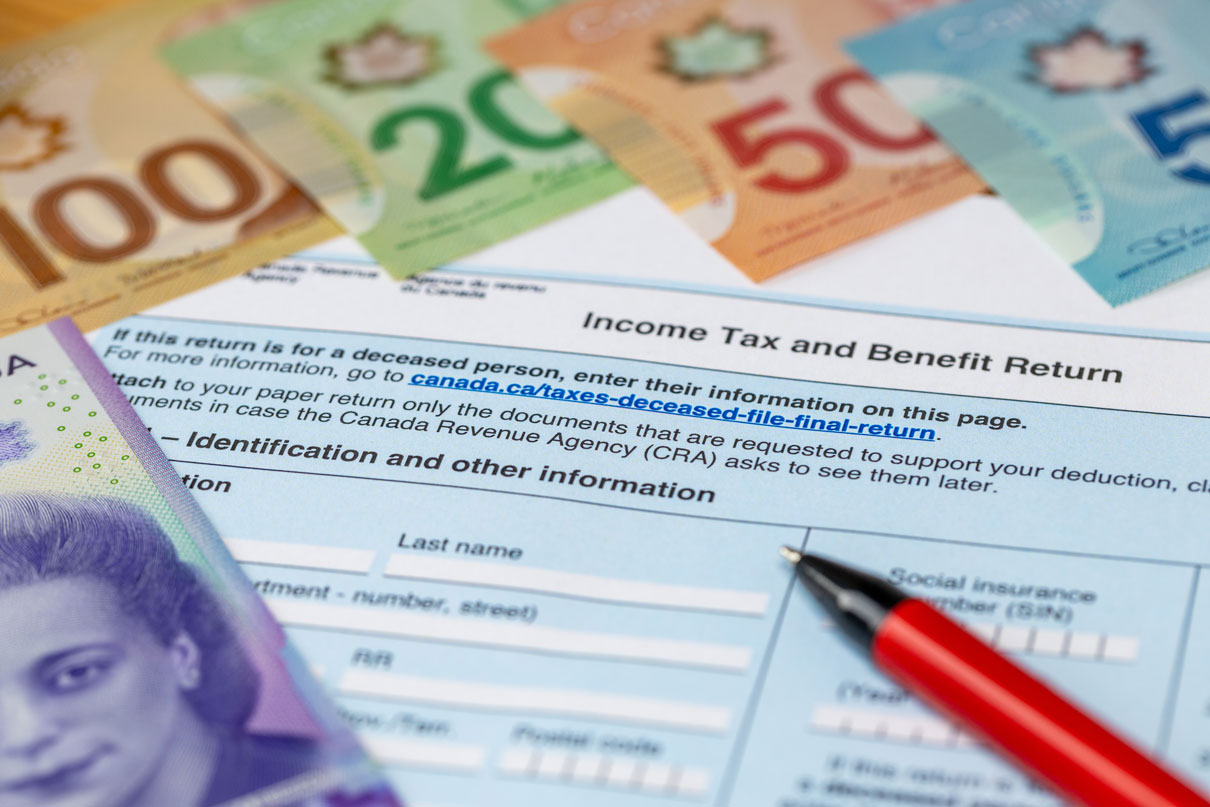
Filing income taxes in Quebec can feel more complex than in other parts of Canada. Quebec residents are required to navigate both the federal tax system and a separate provincial tax system, which often leads to confusion for beginners. Understanding why two tax returns are required, how the systems differ, and what documents are needed is essential for filing accurately and confidently.
This guide is designed to help Quebec residents understand how income tax works at both the federal and provincial levels, avoid common mistakes, and recognize when structured tax education can simplify the process.
Why Income Tax Works Differently in Quebec
Unlike other provinces, Quebec administers its own personal income tax system through Revenu Québec, in addition to the federal system managed by the Canada Revenue Agency (CRA). As a result, Quebec residents must file two separate tax returns every year.
This dual system exists because Quebec has chosen to maintain greater autonomy over its tax administration, including the collection of provincial income taxes and the management of certain credits and benefits.
Federal vs. Quebec Income Tax Responsibilities
Understanding which level of government handles which aspects of taxation is one of the most important steps for Quebec taxpayers.
Federal and Provincial Roles Explained
|
Tax Authority |
Responsibilities |
|
Canada Revenue Agency (CRA) |
Federal income tax, federal credits, Canada Child Benefit, GST/HST credit |
|
Revenu Québec |
Quebec income tax, provincial credits, Quebec-specific benefits |
While many concepts overlap between the two systems, tax rates, credits, and calculations can differ.
Who Needs to File Two Tax Returns in Quebec?
If you were a resident of Quebec on December 31 of the tax year, you are generally required to file:
-
One federal tax return with the CRA
-
One provincial tax return with Revenu Québec
This applies whether you are:
-
Employed
-
Self-employed
-
A student
-
Retired
-
Earning income from multiple sources
Failing to file one of the two returns can result in penalties, delays in benefits, or reassessments.
Step 1: Gather Documents for Quebec Income Tax Filing
Quebec residents receive many of the same income slips as other Canadians, but there are also Quebec-specific forms to be aware of.
Quebec-Specific Tax Slips and Documents
|
Document |
Purpose |
|
T4 |
Employment income (federal) |
|
RL-1 |
Employment income (Quebec) |
|
RL-31 |
Rent paid (Quebec housing credit) |
|
T4A |
Other income (federal) |
|
RL-2 |
Retirement and pension income (Quebec) |
|
RRSP receipts |
Retirement savings deductions |
Having both federal and Quebec slips ready before filing reduces errors and processing delays.
Step 2: Understand Quebec Tax Credits and Deductions
While many tax credits exist at both levels, Quebec also offers unique provincial credits that do not appear on the federal return.
Common Quebec tax credits include:
-
Solidarity tax credit
-
Work premium tax credit
-
Child assistance payments
-
Tuition-related provincial credits
Understanding which credits apply federally and which apply provincially helps ensure you do not miss out on benefits.
Step 3: Choose How to File Taxes in Quebec
Quebec residents have several options for filing their federal and provincial returns.
Comparison of Filing Options for Quebec Residents
|
Filing Option |
Best For |
Advantages |
Limitations |
|
Online tax software |
Most beginners |
Handles both returns |
Limited explanation |
|
Paper filing |
Very simple cases |
No software required |
Slower processing |
|
Professional tax preparer |
Complex situations |
Expertise and compliance |
Higher cost |
|
Tax course + self-filing |
DIY learners |
Long-term understanding |
Learning investment |
Many Quebec residents use the same software for both returns, but understanding how each return works remains essential.
Step 4: Be Aware of Quebec and Federal Tax Deadlines
Quebec generally follows the same tax deadlines as the federal government, but it is important to verify dates for both returns.
Quebec and Federal Tax Deadlines
|
Situation |
Deadline |
|
Most individuals |
April 30 |
|
Self-employed individuals |
June 15 (payment due April 30) |
|
Late filing penalties |
Apply after deadlines |
Even if one return is filed on time, missing the other can still result in penalties.
Common Income Tax Mistakes Made by Quebec Residents
Quebec filers often make mistakes due to the dual system, not negligence. Common issues include:
-
Forgetting to file one of the two returns
-
Mixing up federal and Quebec credits
-
Missing RL slips
-
Incorrectly reporting rent-related credits
-
Assuming federal software handles all Quebec rules
Understanding the structure of both systems helps prevent these errors.
Is Filing Quebec Income Tax More Difficult?
Quebec income tax is not necessarily harder, but it requires more awareness. Filing two returns means:
-
More documents
-
More calculations
-
More opportunities for mistakes
For this reason, many Quebec residents seek to better understand how the system works instead of relying solely on software.
Learning Quebec Income Tax with Confidence
A Quebec income tax course can help individuals understand:
-
Why two tax returns exist
-
How federal and provincial systems interact
-
How to claim Quebec-specific credits properly
-
How to avoid common filing errors
Learning the rules provides confidence and reduces uncertainty year after year.
Frequently Asked Questions About Quebec Income Tax
Do Quebec residents always need to file two tax returns?
Yes. Residents of Quebec must file one federal return with the CRA and one provincial return with Revenu Québec.
Can I use the same tax software for both returns?
Most NETFILE-certified software supports both federal and Quebec returns, but users must still understand what information goes where.
Is Quebec income tax higher than in other provinces?
Tax rates and credits differ, so the overall tax burden depends on individual circumstances.
Can beginners file Quebec income tax on their own?
Yes. Many beginners successfully file on their own, especially when they understand how the dual system works.
Is a Quebec income tax course useful?
Yes. Structured tax education helps beginners understand provincial rules and avoid costly mistakes.
Final Thoughts
Quebec’s income tax system is unique in Canada, requiring residents to file both federal and provincial returns. While this can feel overwhelming at first, understanding the structure, deadlines, and required documents makes the process manageable.
For Quebec residents who want clarity and confidence, learning how the system works is the key to accurate and stress-free tax filing.
Want to better understand Quebec income tax?
Structured tax education can help Quebec residents navigate federal and provincial rules with confidence. Learning how Quebec income tax works makes filing easier today and in the years to come.